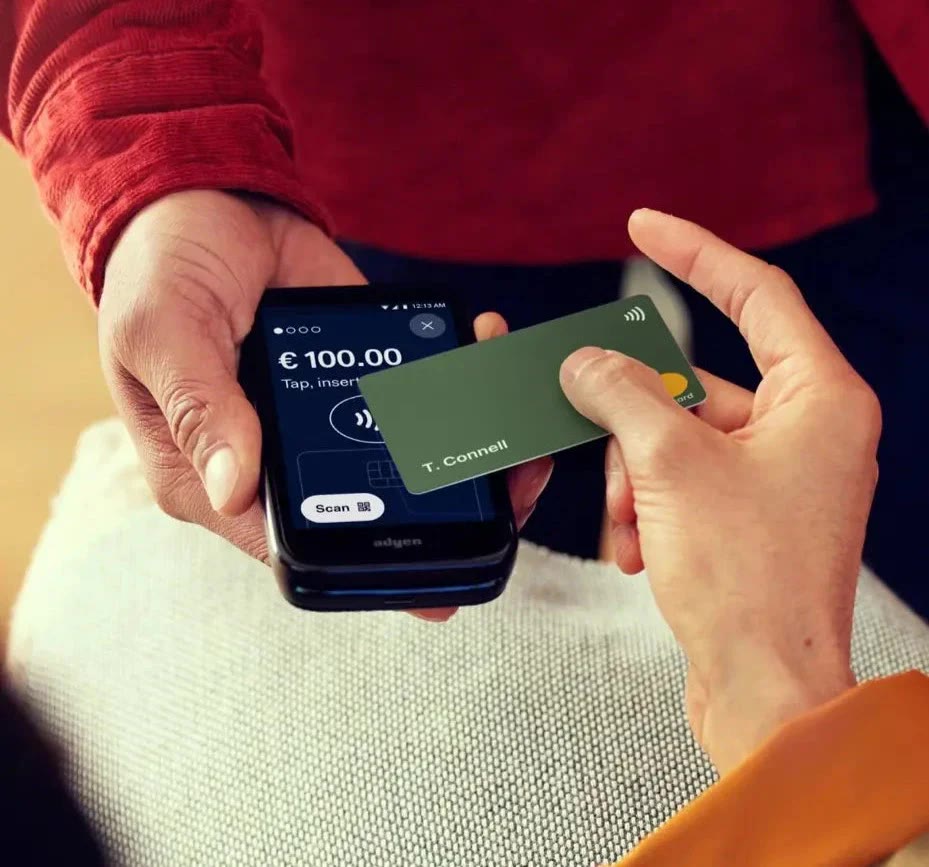
Adyen’s first Android payment device: turning a card machine into a platform for business owners. I led the design from cross-team journey mapping to launch.
- Company
- Adyen provides payment solutions to more than 5,000 customers, including Nike, Adidas, Chanel, Hermès, Netflix, Microsoft, Booking.com and Spotify.
- Industry
- Point of sale
- Year
- 2022–2023
Context
One device, endless possibilities
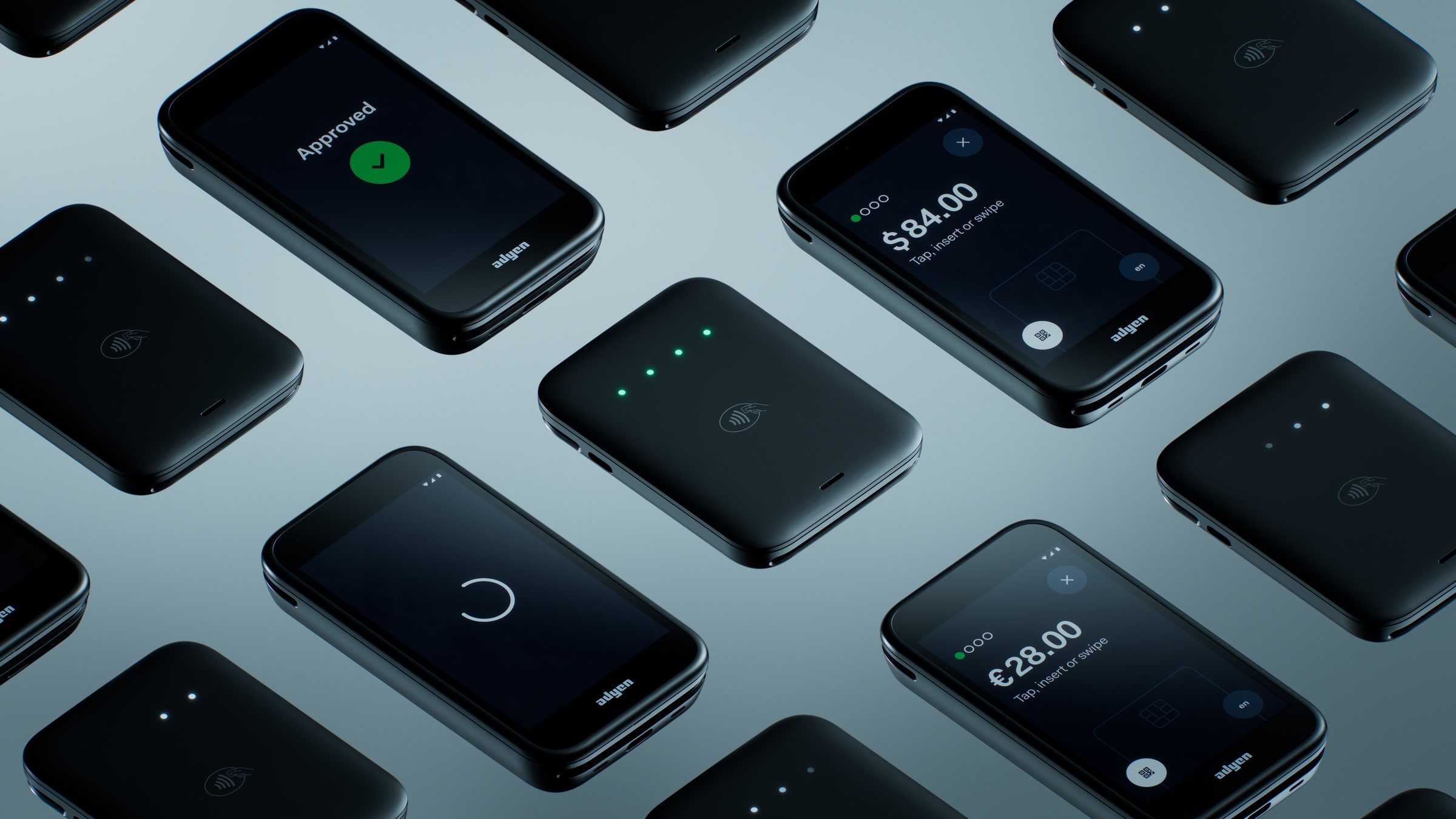
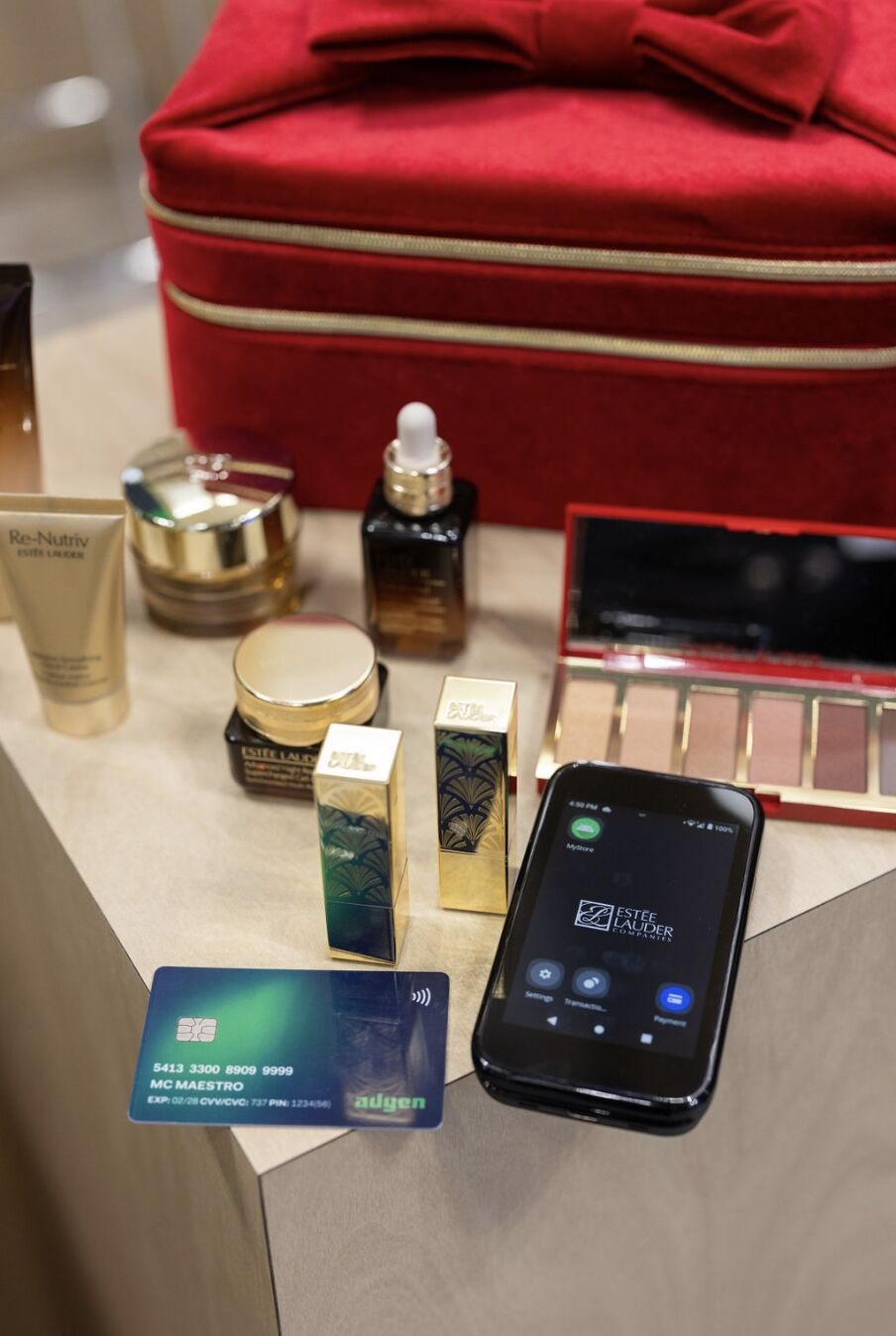
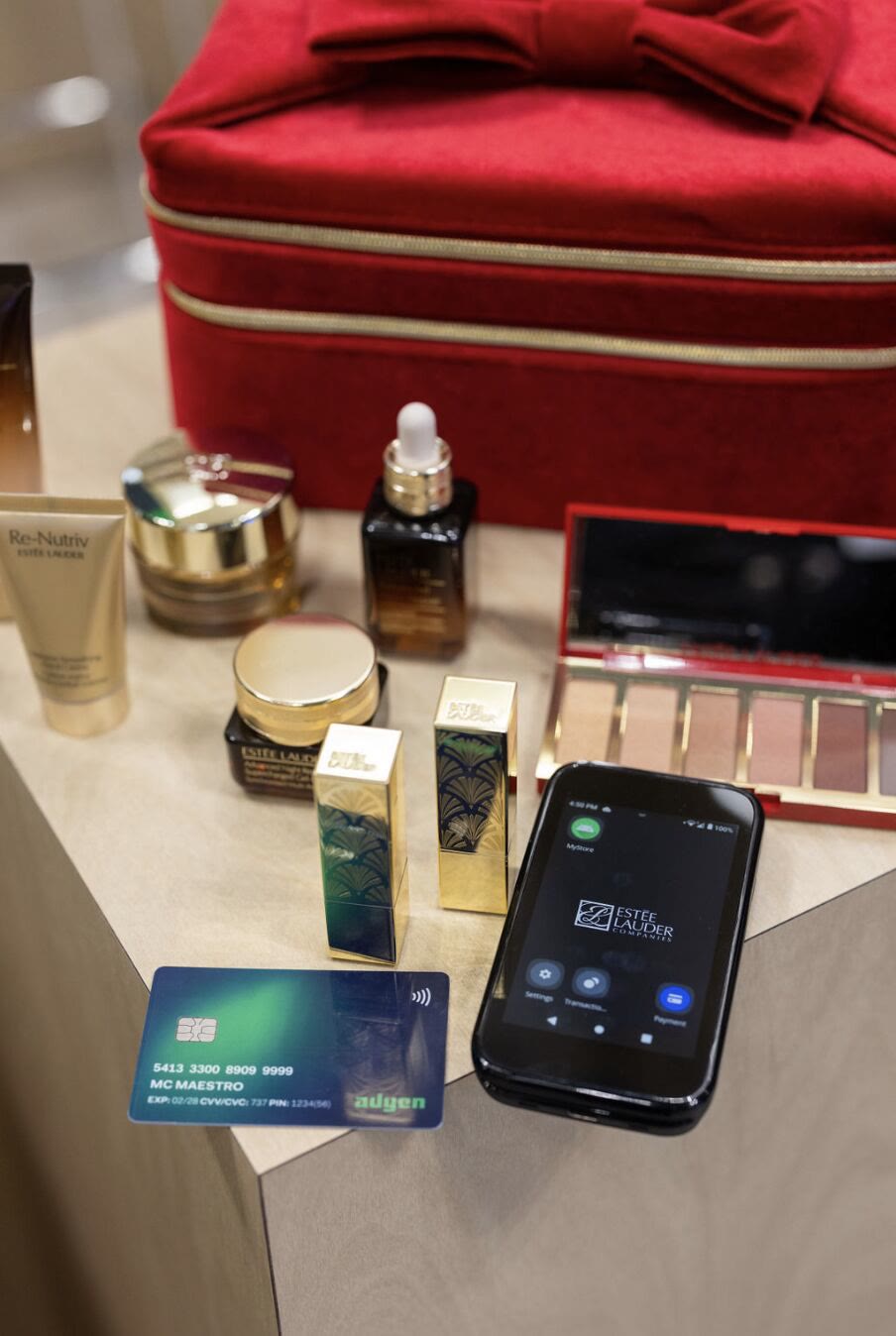
SaaS providers, who resold a repackaged version of Adyen’s devices to small businesses, needed a device that could handle more than just payments: hosting a range of operational apps and opening up new customer journeys businesses had never offered before, with less hardware.
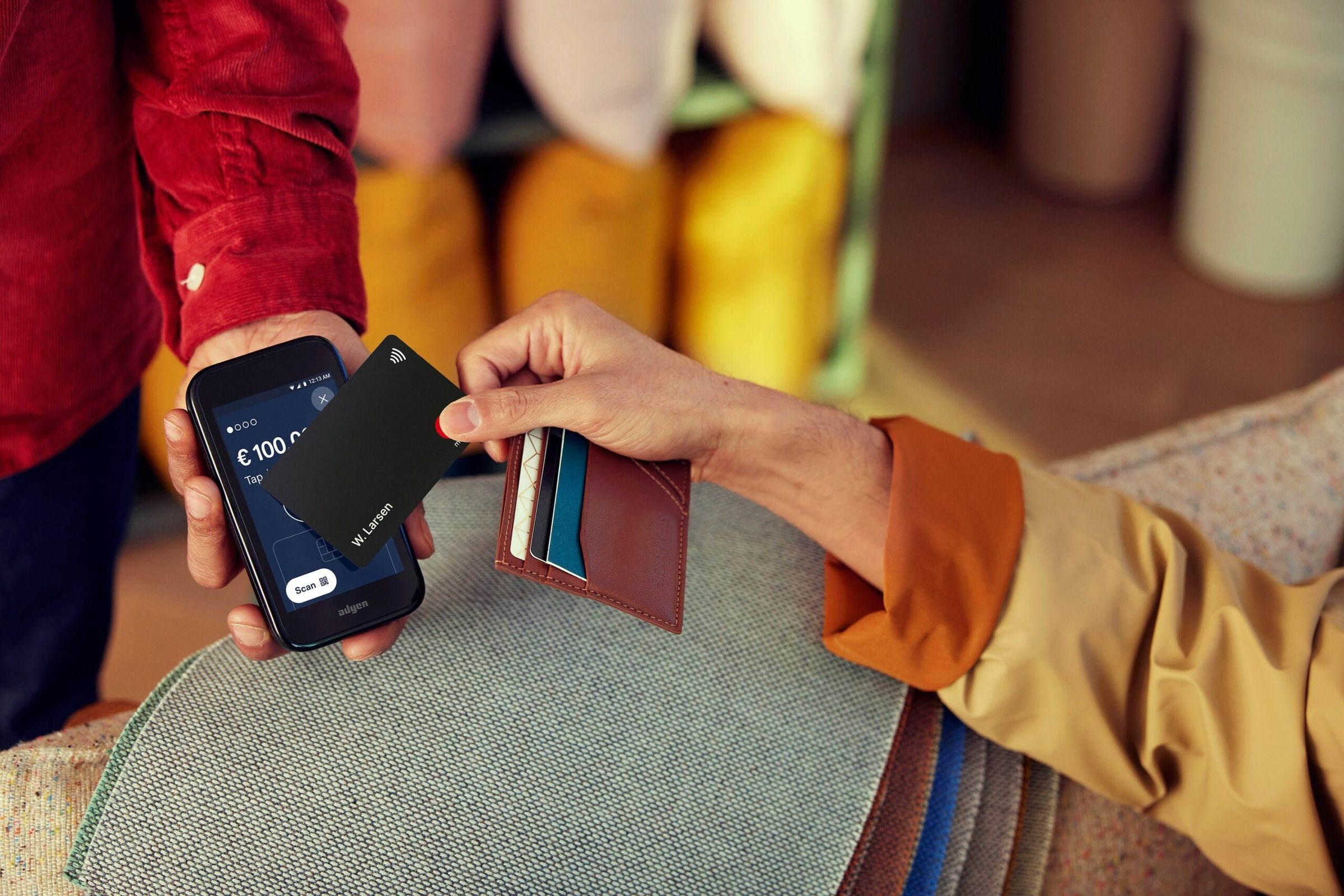
Staff could carry a device in their pocket and use it to serve shoppers anywhere in store. At the time, Square and Stripe were developing similar solutions that could risk our position in the market.
 PSP
PSP- SaaS platform
- Business owner
- Shopper

Problem and user needs
A balancing act
It was essential to build a platform flexible enough for these partners to make it their own, without losing the reliability businesses expected from every Adyen payment.
User needs
Shoppers
A fast, familiar checkout that feels like the brand they’re buying from.
Store staff
One device to sell, look up stock and take payment, that tells them clearly what to do when something goes wrong.
Business needs
Business owners
Control over the in-store experience and visibility into every device in the field.
SaaS partners
A device they could brand and extend with their own apps.
Approach
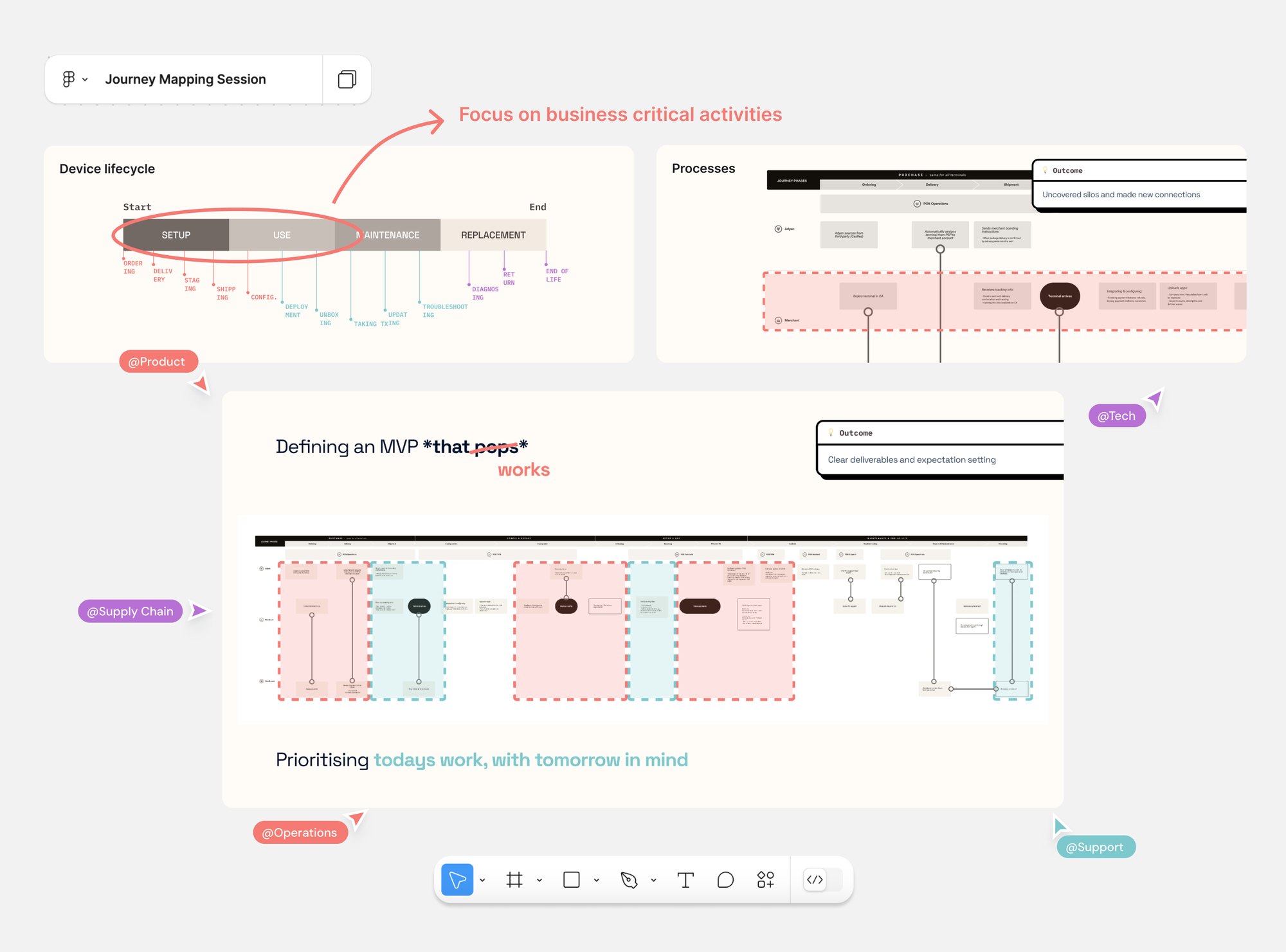
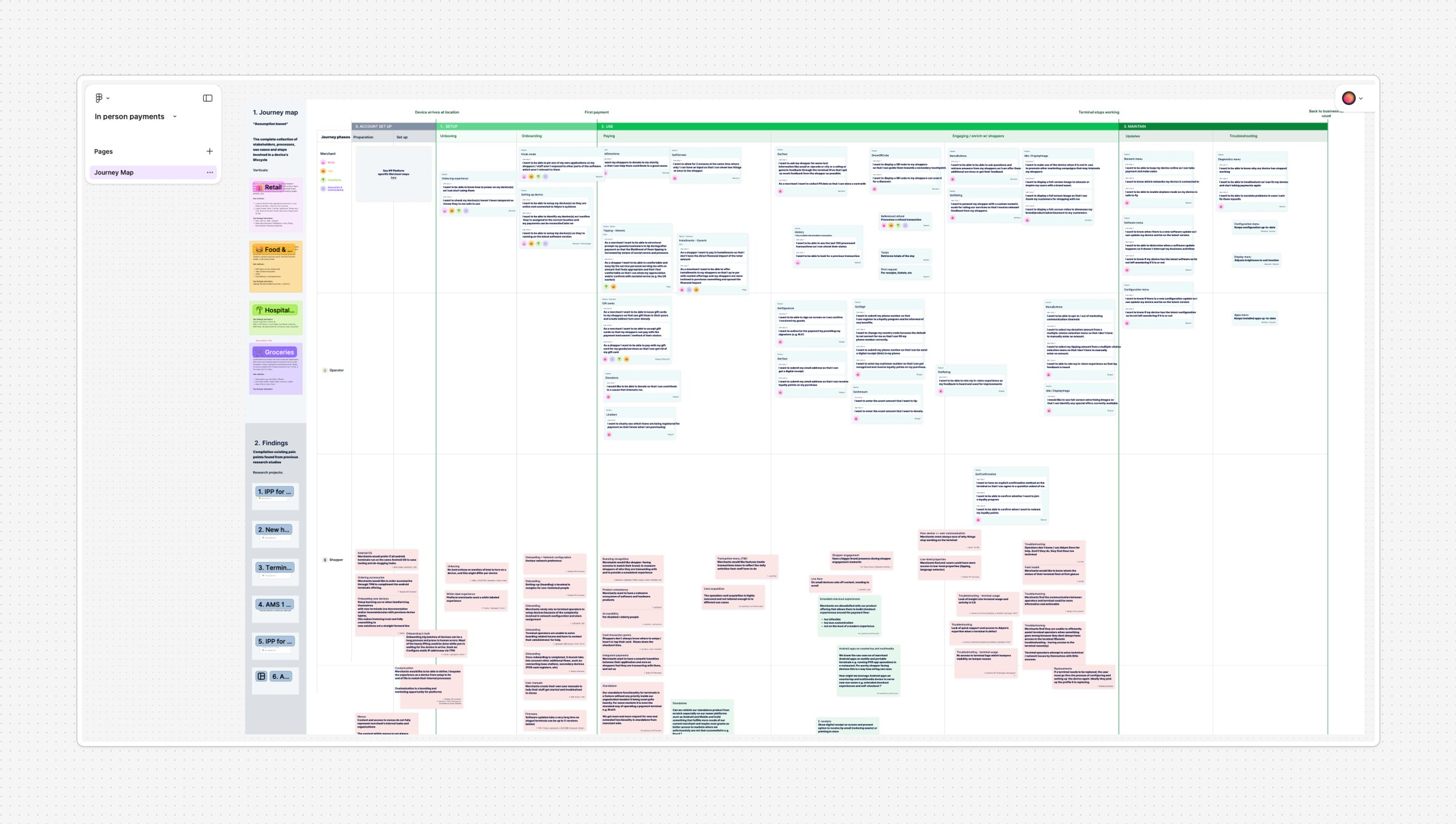
I led a 3-day workshop to map how every team and touchpoint connected.
- Goal
- Identify must-haves from moonshots, exposed gaps and silos to close first.
- Outcome
- Our guide from MVP to launch. Used to document how the product evolved over time.
- Stakeholders
- Product, Tech, Support, Operations, Design
Research
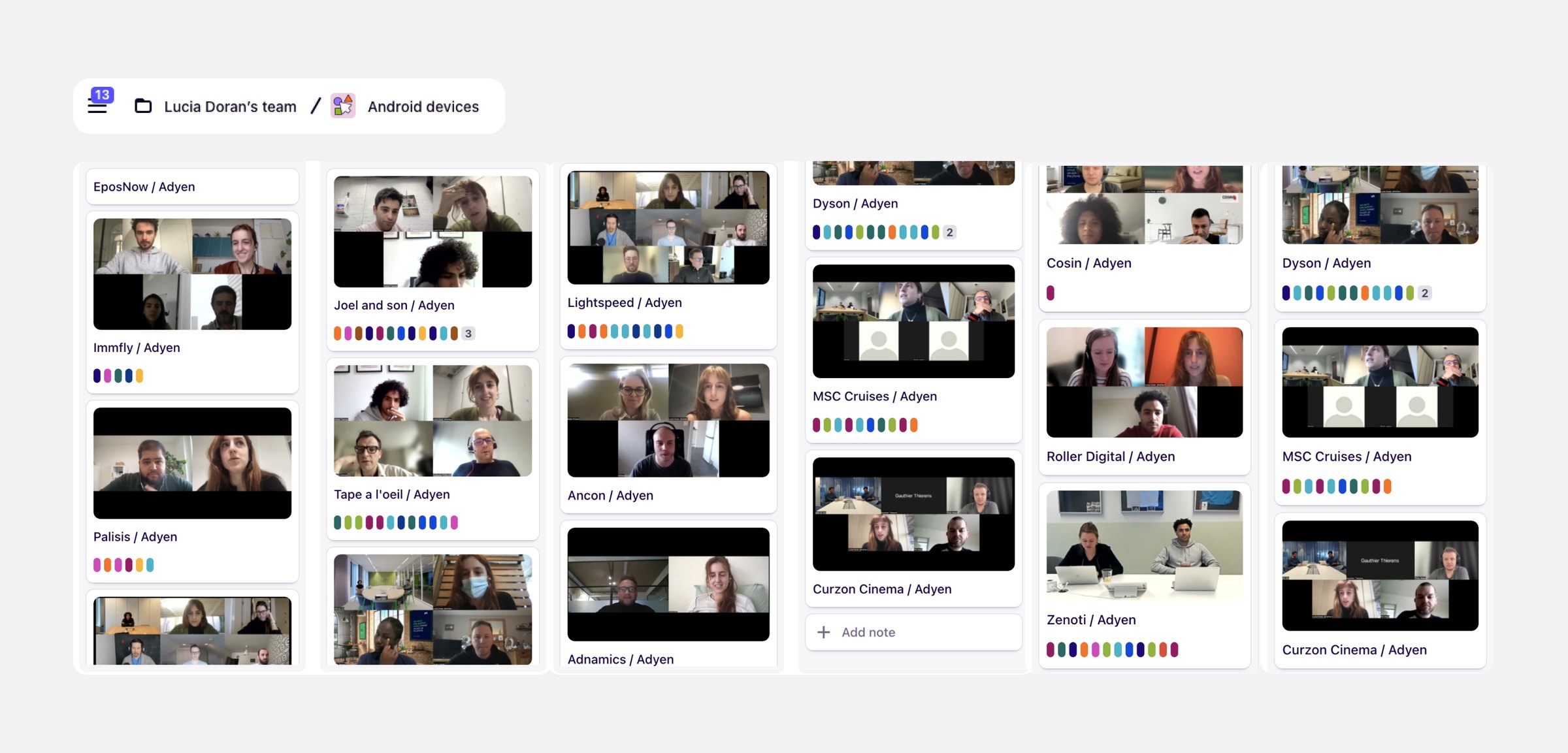
I conducted a research project to turn our assumptions into facts and understand where we had fallen short with early adopters.
- Goal
- Find where the MVP fell short and uncover new opportunities to focus our efforts on.
- Participants
- +25 decision makers (SaaS & Enterprise)
- Outcome
- Roadmap priorities for next quarter
- Tools
- Dovetail
Findings
Brand experience
67%
wanted shopper-facing screens to match their physical store
Troubleshooting
72%
couldn’t help staff when a device stopped working
Device messages
70%
wanted device messages to be clearer and actionable
Shared motivations
All
businesses wanted to move away from traditional POS systems and deliver personalised in-store experience
Solution
What we shipped
-
Easy setup. One system, many form factors. 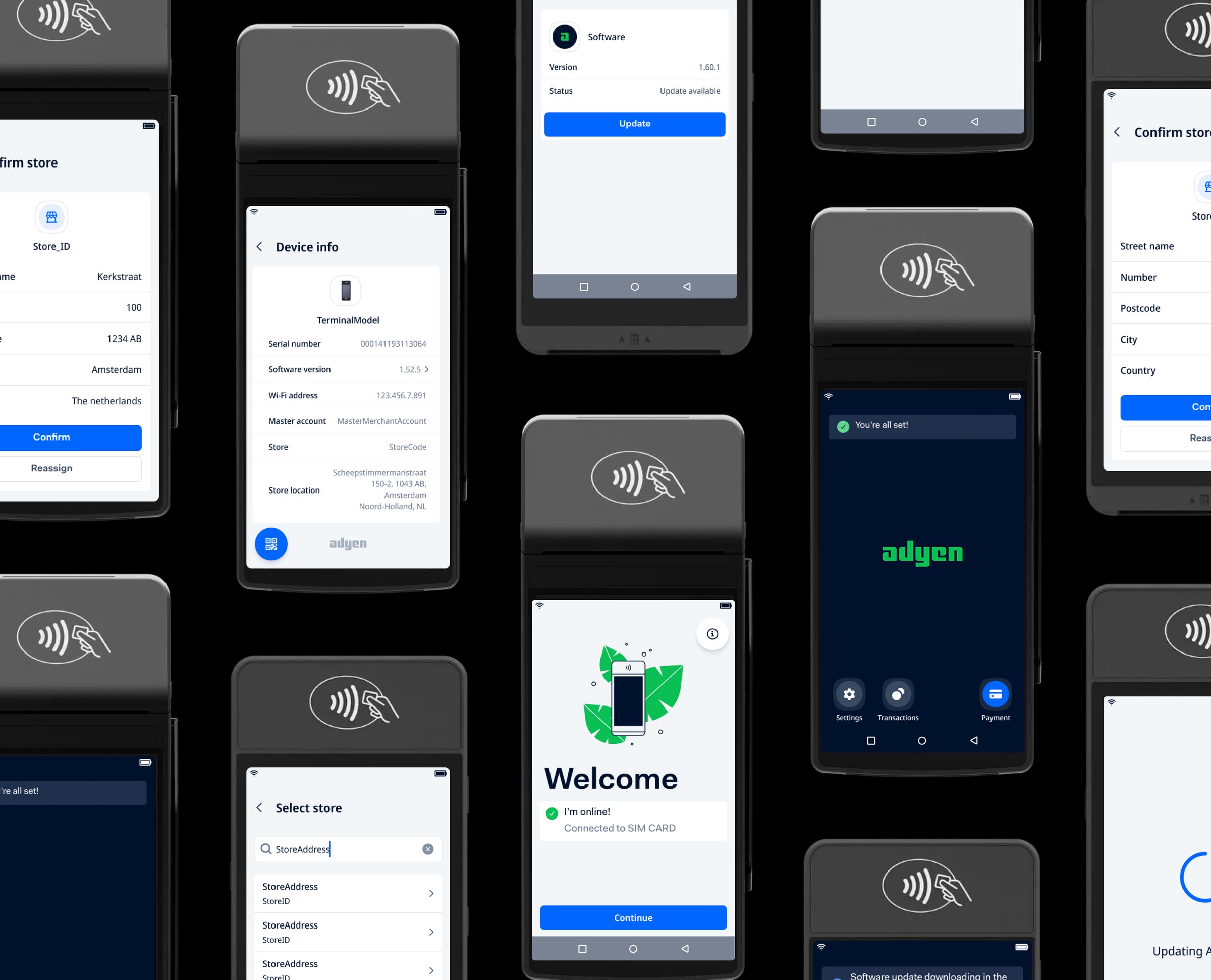 Updates staff can run themselvesEverything support asks for, on one screenA home screen with three jobsConnection status up frontFind a store by searching
Outcomes
Within the first year, the pilot became a platform
~300
pilot customers live in the first month
300K+
payment-enabled Android devices in the field
~1M
new transactions in the first year
3×
team growth, with new designers and developers
6+
new Android payment devices
Learnings
Make users’ pain everyone’s priority.
User experience isn’t only a designer’s responsibility.
Design that works is design that matters.
Balancing form and function let us innovate while staying usable and backward compatible.
One size fits no one, but…
Too much customisation becomes an operational hazard. Define your product’s limits early and let them guide how it evolves.